Cinematography Tips for Short Films – Making Every Shot Count
Cinema has always been a visual medium. Long before audiences remember a line of dialogue, they remember an image. It could be a silhouette in the shadows, a lingering close-up, or a perfectly composed frame that captures the moment without needing words.
That’s especially true in short films. With limited time to tell a compelling story, every frame must work harder. Cinematography becomes more than aesthetics; it becomes the heartbeat of the narrative, shaping mood, character, and emotion with every shot. For filmmakers looking for cinematography tips for short films, the key is understanding how every visual decision can contribute to the story.
Whether you’re an aspiring filmmaker or simply someone who appreciates the craft, understanding the language of cinematography offers a deeper understanding of what makes short films so impactful.
Start with the Story
Before thinking about lenses, camera movements, or shot sizes, think about emotion. Every visual decision should begin with one question: What should the audience feel in the moment?
The strongest cinematography is driven by the story, not the equipment. A handheld frame can heighten intimacy or unease, while a static composition can evoke stillness or quiet tension. When every shot is rooted in the emotional truth of a scene, the visuals become an extension of the narrative rather than a display of technique. This is where visual storytelling in short films becomes particularly important.
Many of the most memorable short films embrace this philosophy. Their cinematography rarely calls attention to itself, yet every frame leaves an impression because it exists with intention.
Compose Every Frame with Intention
Composition is what transforms a good-looking shot into a memorable one.
When exploring short film camera techniques, the placement of a character, the use of negative space, and the details within the background all influence how a scene is experienced. Every element inside the frame should guide the audience’s attention and reinforce the story being told.
When every visual choice is intentional, even the simplest frame can leave a lasting impression.
Let Lighting Shape Emotion
Lighting can completely transform the mood of a scene, from the warmth of soft natural light to the tension created by deeper shadows. The way a scene is lit can influence how we experience every moment.
For filmmakers exploring short film cinematography in India, this can be especially useful. India’s varied locations, natural light, architecture, and environments can become part of the visual language of a film, allowing filmmakers to create an atmosphere without relying on elaborate setups. The most effective lighting isn’t always the most elaborate. Whether it’s natural light or a practical lamp, what matters is how it serves the story.
Motion That Serves the Story
Camera movement is most effective when it feels invisible. A pan, tilt, dolly, or handheld shot should reveal emotion, build tension, or draw audiences deeper into the narrative, not simply showcase technique.
Equally important is knowing when to stay still. Sometimes, a static frame allows a performance or a moment to resonate more deeply. The most memorable cinematography isn’t defined by constant motion, but by movement with purpose.
Think Beyond Individual Shots
The power of cinematography lies in creating a visual flow where each shot adds to the mood, movement, and meaning of the story. Every frame should build on the one before it, creating rhythm and guiding the audience through the story.
Whether it’s the contrast between a wide shot and a close-up or the transition from stillness to movement, the relationship between shots is what gives a film its visual language.
Finding Inspiration on Screen
Watching short films with this perspective can also help aspiring filmmakers identify practical cinematography tips for short films. Some of the finest lessons in cinematography come from watching great films with a keen eye. Observe how framing, lighting, and camera movement work together to create an atmosphere, reveal emotion, and tell stories beyond dialogue.
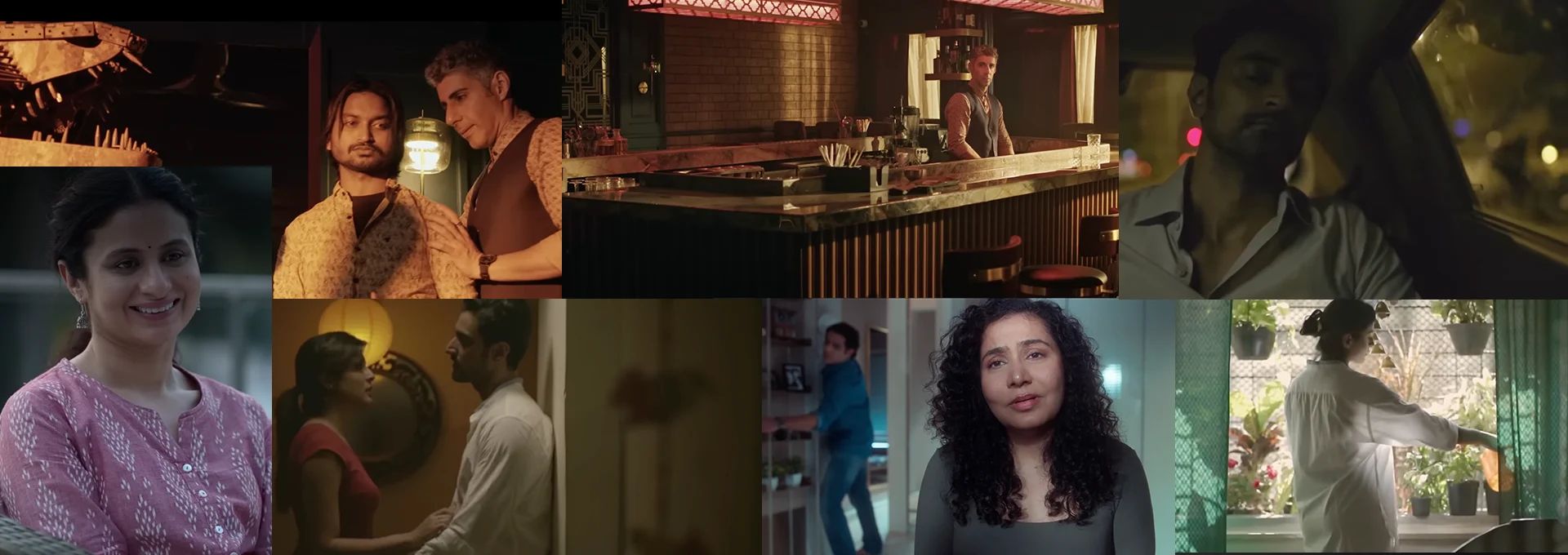
The Royal Stag Barrel Select Shorts catalogue showcases films where every visual choice serves the narrative, illustrating that compelling cinema isn’t defined by duration but by intention. Each film demonstrates how thoughtful cinematography can transform even the simplest stories into memorable cinematic experiences.
Conclusion
Great cinematography can make a scene feel more intimate, more tense, or more emotionally charged. In short films, where every frame carries weight, thoughtful visual choices become an essential part of storytelling.
Whether you’re creating your first short film or refining your craft, remember that the most powerful visuals are always guided by purpose. Because when every frame serves the story, even the shortest films can leave a lasting impression.